How Dr. Squatch Made Men Care About Soap and Built a Billion-Dollar Brand

Sam Olawale
November 5, 2026
Soap is something people use every day. It is also something plenty of people barely think about buying.
They pick up the familiar bar or bottle, put it in the bathroom, and replace it when it runs out.
Dr. Squatch gave men a reason to pay attention.
The natural personal care brand built a business around distinctive scents, a sense of humour, and products customers could make part of their everyday routine. In June 2025, Unilever announced an agreement to acquire it. Reuters reported a price of $1.5 billion, citing the Financial Times. The terms were not publicly disclosed at the announcement.
For a business that started with soap, that is quite a journey.
And it makes Dr. Squatch worth studying even if you never plan to sell a personal care product.
How do you make people care about a category they normally buy on autopilot? How do you turn that interest into a first order? And what gives them a reason to keep coming back?
The story comes down to the product, the audience, and the way they sell.
A Familiar Product With a Better Reason to Buy
Jack Haldrup founded Dr. Squatch in 2013 after looking for soap that suited his own skin.
He had psoriasis, and a visit to a farmers’ market helped introduce him to a different kind of soap. That experience became the starting point for the business.
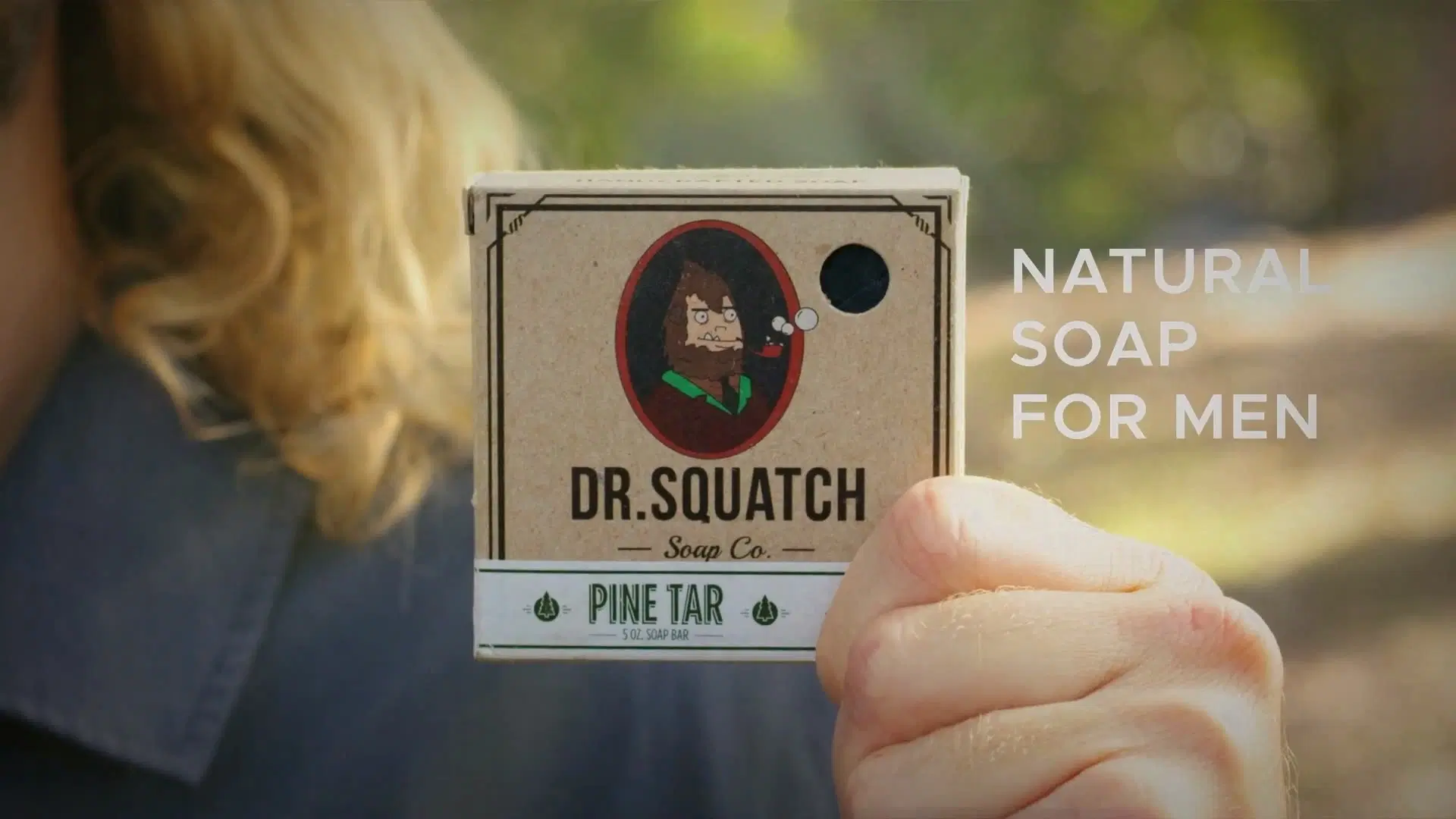
There were other men who might enjoy the same kind of product. Many of them were unlikely to spend their weekend looking for handmade soap at a market.
Reaching those men meant making the product feel relevant to their lives.
They already had a reason to wash. Dr. Squatch needed to give them a reason to choose something better for their daily routine.
That is a useful distinction for any e-com brand.
For Dr. Squatch, natural soap became part of a more enjoyable shower: scents men wanted to use, a product they could feel good about choosing, and a brand with a personality they recognised.
The ingredients still mattered. They gave the brand something to explain and the customer something to evaluate.
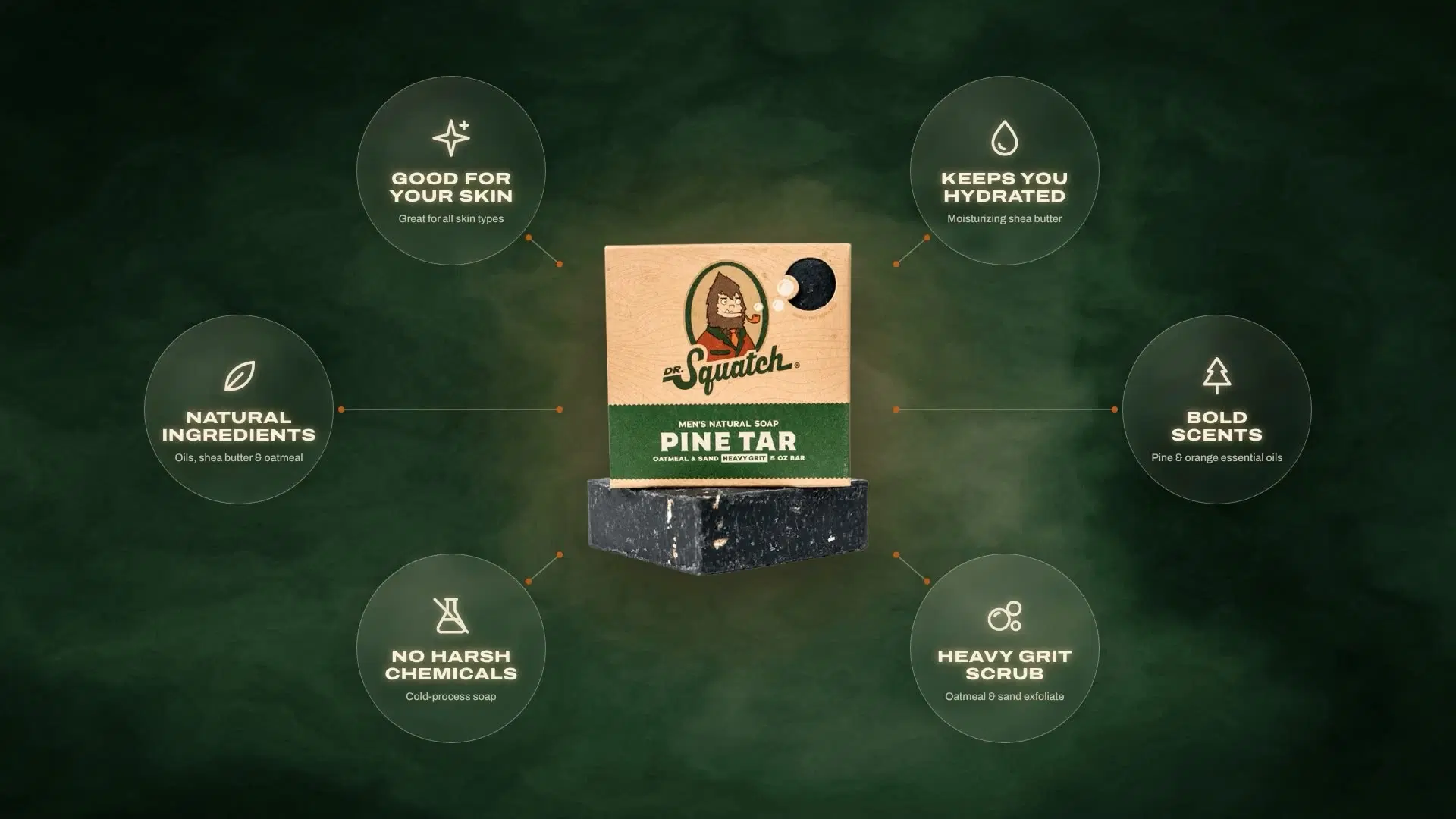
But the customer also needed to understand what those ingredients meant for the experience of using the product.
Think about your own brand. What does someone use before they discover you? What would make them interested enough to reconsider that choice?
That is where the first sale begins.
Making Soap Interesting Enough to Watch
Dr. Squatch’s advertising gave that product story a memorable voice.
Working with creative agency Raindrop, the brand introduced the bearded man in the woods, played by comedian James Schrader. He talked about soap with the confidence and humour of someone who knew exactly who he was speaking to.
The setting, interruptions, jokes, and unexpected moments gave people a reason to keep watching.
And while they watched, they learned about the product.
The brand’s campaign breakdown describes how the ads combined humour with product explanations, answers to common questions, and calls to visit the website and buy.
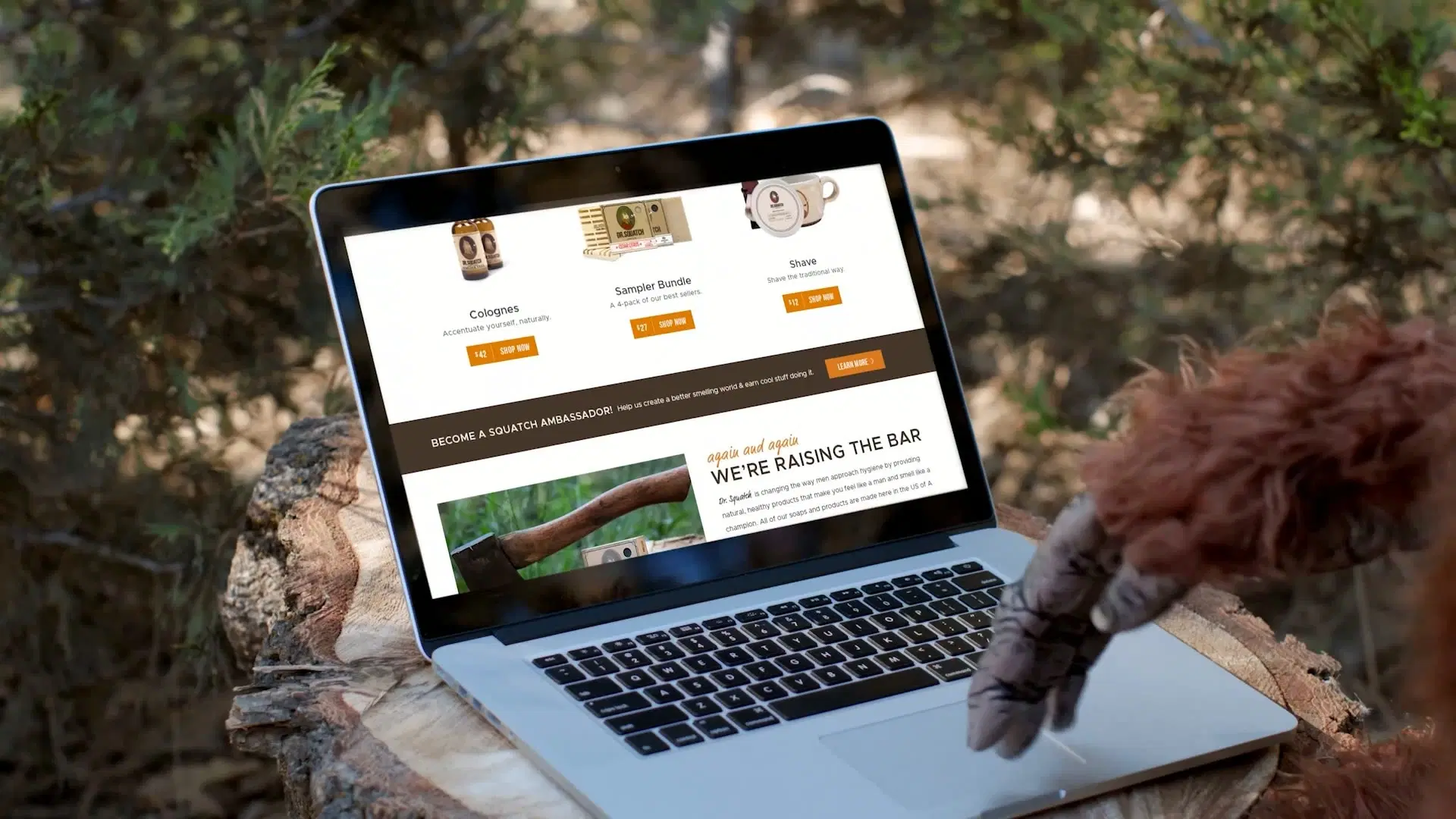
That combination matters.
A customer who has never thought much about soap is unlikely to arrive with a list of questions about how it is made. First, the brand has to earn enough attention for that explanation to become interesting.
For your business, that might be a founder customers enjoy listening to. It might be a familiar situation, a customer story, or a demonstration that makes someone stop and think.
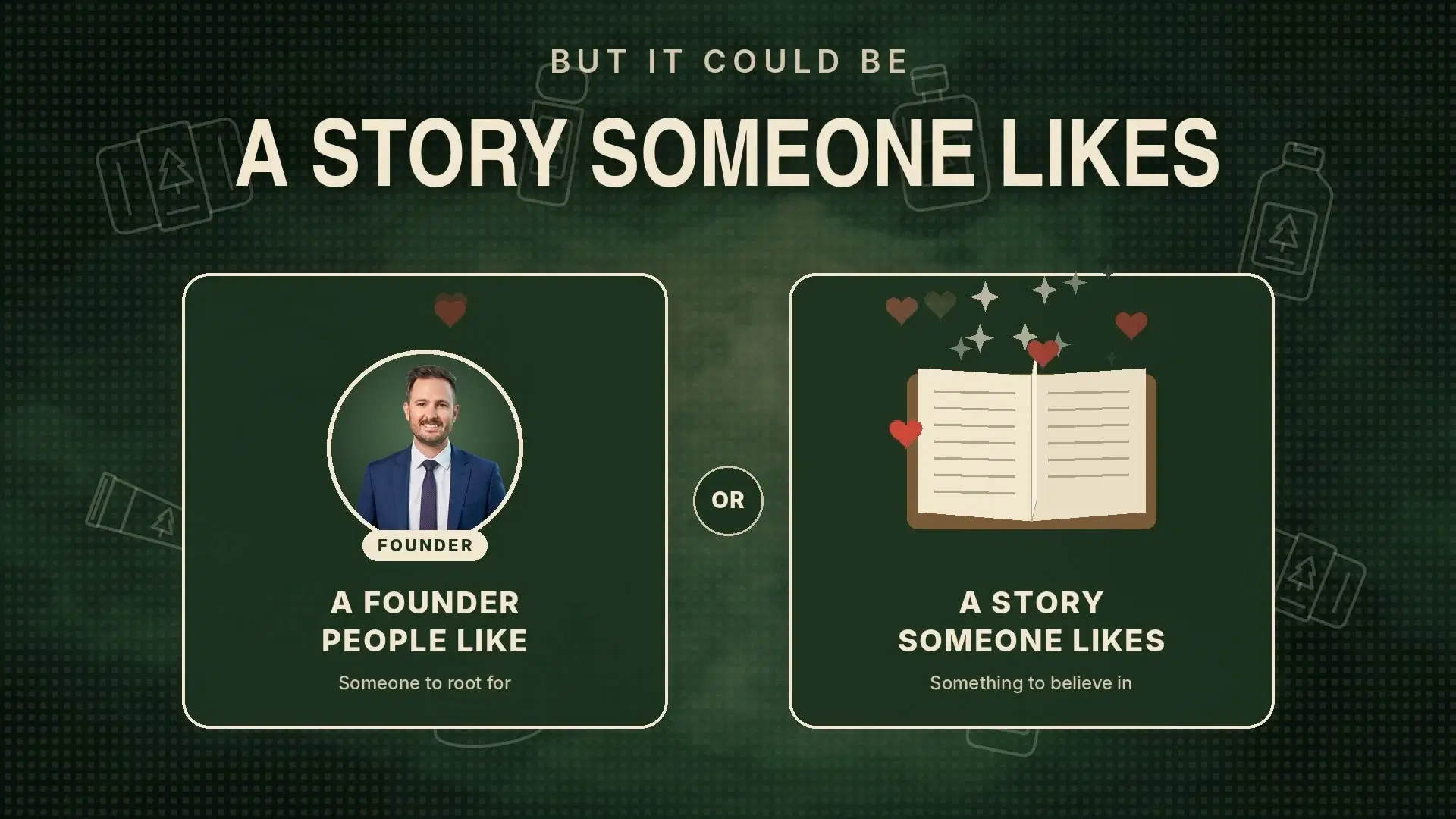
The right approach depends on the people you want to reach.
Ask what would make them stay for the next sentence. Then use that attention to help them understand why the product is worth trying.
The ad still has a commercial job. It should leave someone with a clearer reason to buy, as well as something they remember.
Building the Business Before the Big Stage
By the time Dr. Squatch appeared at the Super Bowl in 2021, it already had a substantial business.
Shopify’s interview with the team reports more than $100 million in revenue in 2020.
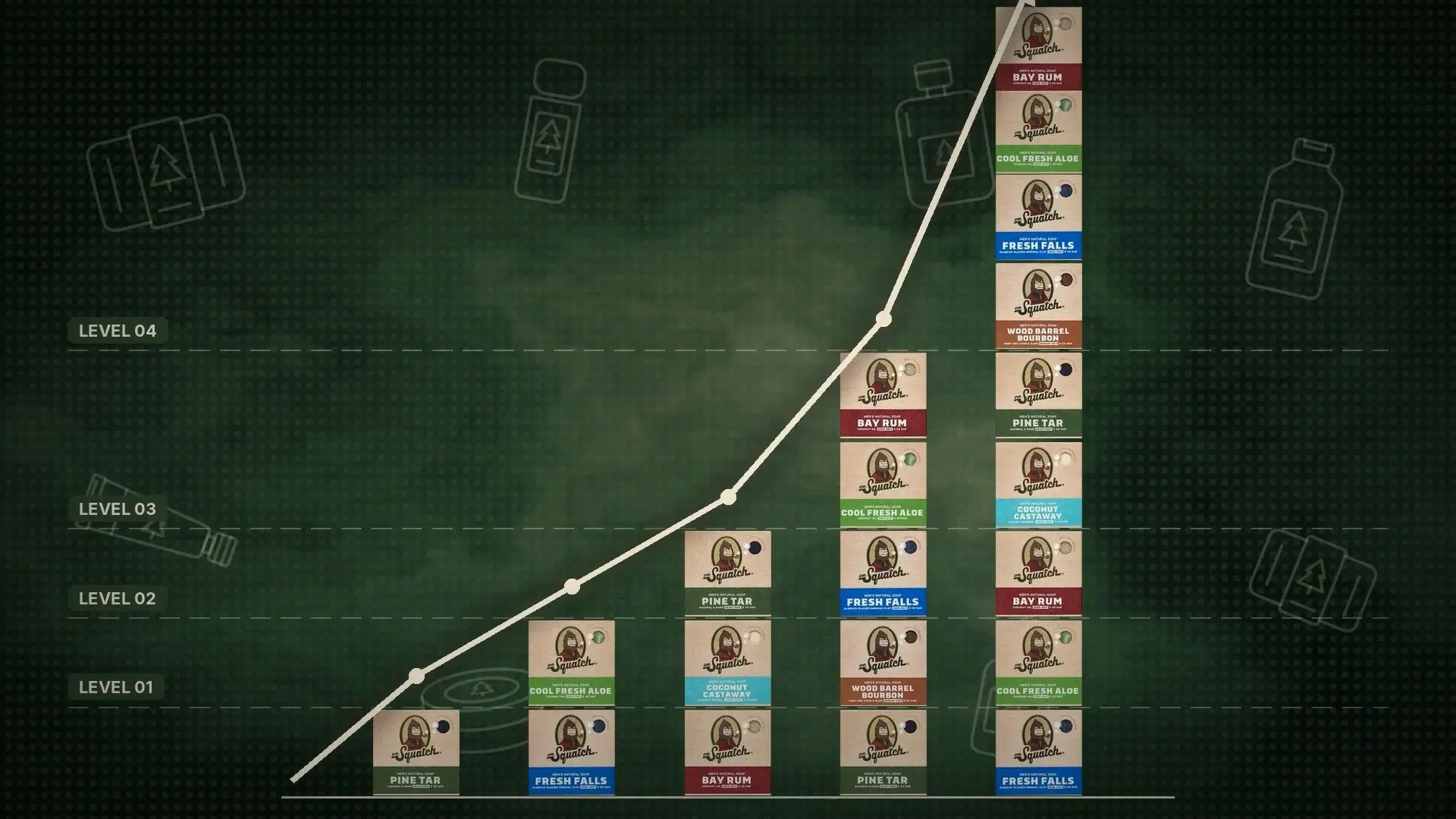
The order is important.
The brand had already found customers, developed its message, and built momentum through digital advertising. The Super Bowl gave that working business a much bigger stage.
For a smaller brand, there is a practical lesson here: prove the message with the customers you can reach today.
Find the story that gets their attention. Learn which product benefits help them make a decision. See what happens after they receive the order.
Those answers give you something useful to scale.
Dr. Squatch’s later visibility is impressive. The earlier work is the part most businesses can start applying now.
Giving Customers Something New to Come Back For
Once someone knows the brand, the next question is how to keep the relationship interesting.
Dr. Squatch built new reasons to return through unusual campaigns, new scents, and collaborations with names such as Star Wars and Halo.
A collaboration gives a familiar product a fresh point of interest. Someone might discover the soap through a game they love. An existing customer might want to try a collection connected to a favourite film.
Think about the difference between these two reasons to open an email:
Both can lead to an order. The second also gives the customer something new to explore.
The Sydney Sweeney collaboration took that idea further.
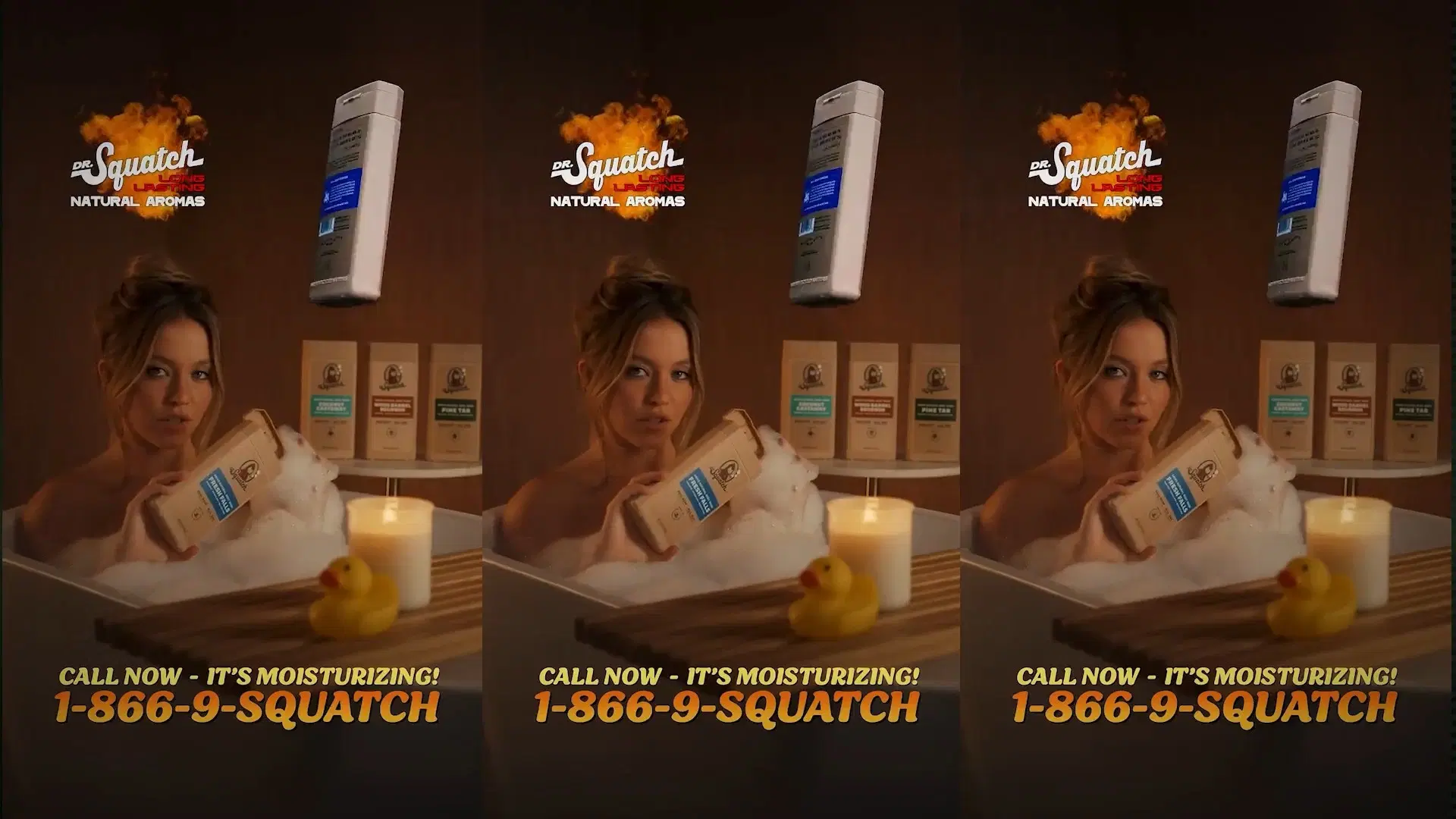
After she appeared in a bath-themed campaign, Dr. Squatch turned the conversation about the bathwater into a limited-edition product. In June 2025, it released Sydney’s Bathwater Bliss, marketed as containing water from her bath during the shoot.
Campaign partner Sageworx reports that the 5,000-bar run sold out instantly.
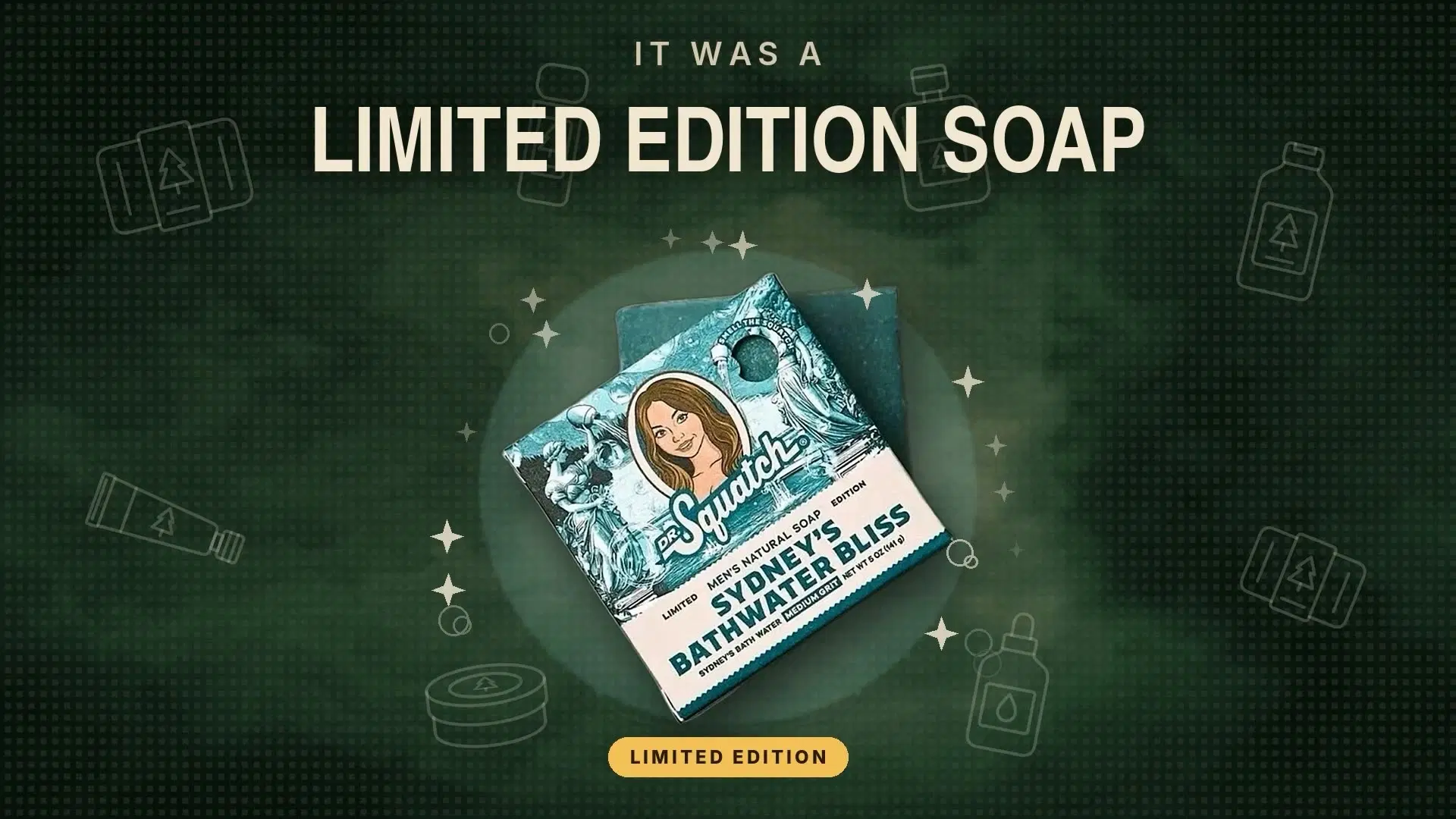
The idea fit a brand that had spent years making personal care playful and unexpected. It also gave people a story they could share in a sentence.
For a smaller business, the useful question is what your own audience already talks about. What do they enjoy? What do they ask for? What would make a new release feel like something worth coming back to see?
A good answer can give the next product launch a much stronger starting point.
Turning the First Order Into a Routine
Soap has a useful quality for a repeat-purchase business.
Customers use it up.
If they enjoy the product, they have a natural reason to buy it again. A subscription makes that next purchase easier to manage.
Dr. Squatch had built this into the business well before its biggest campaigns. Its 2019 campaign results report 75,000 active subscribers by the end of the year.
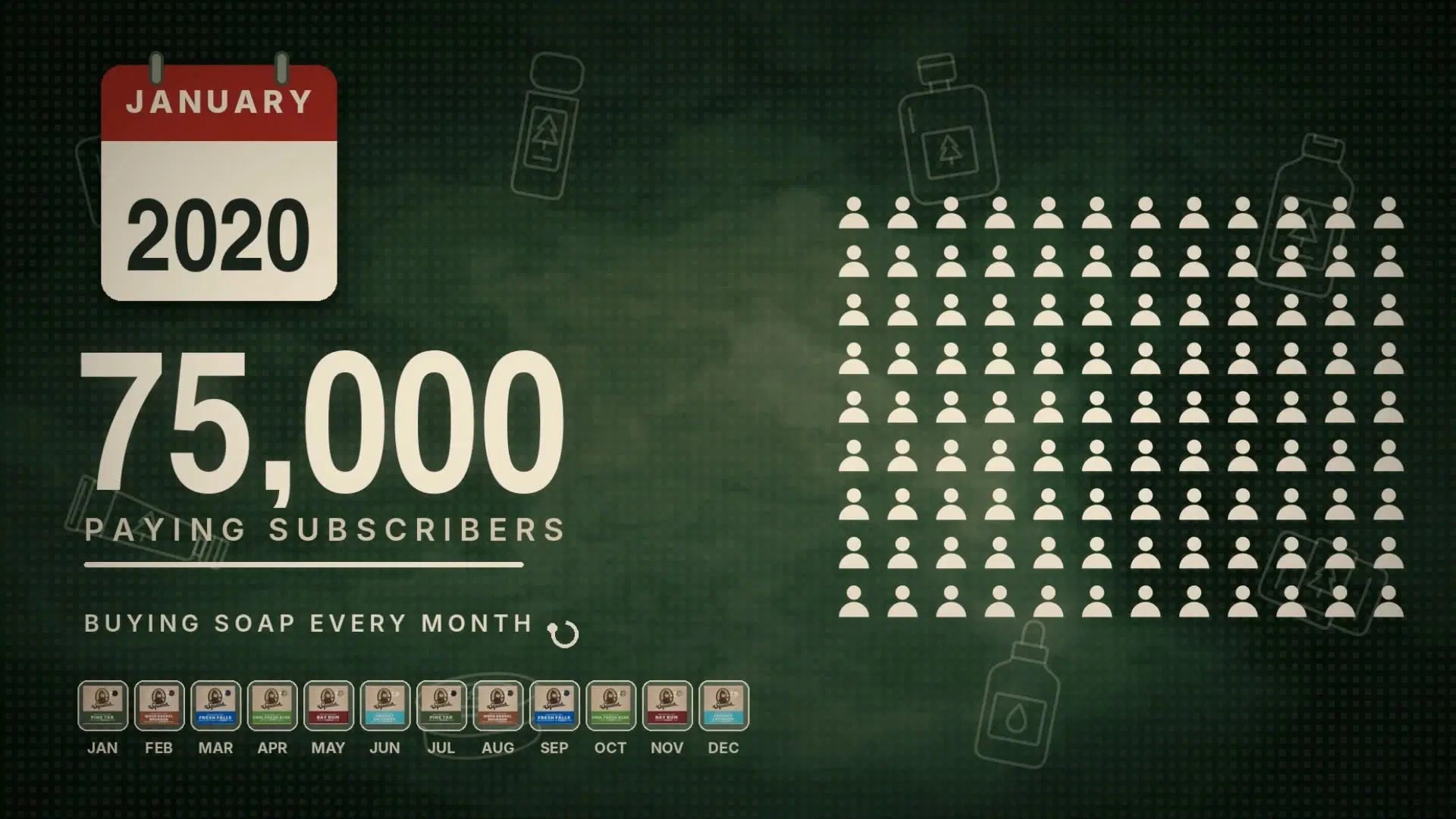
For the customer, the appeal is straightforward: choose soap you like and have it replenished without remembering to place every order yourself.
That is a practical benefit in a category people already use regularly.
The delivery schedule is part of the offer. A multi-bar shipment arriving every three months can fit a different routine from a small order arriving every month. What matters is whether the quantity and timing match how the customer actually uses the product.
That means being clear about what arrives, what it costs, when it renews, and how customers can adjust their deliveries.
It also means continuing to deliver a product they want to use.
The first order gives the customer a chance to try the promise. Each renewal gives the brand another chance to earn their choice.
Why the Maths Matters
Take an illustrative subscription costing $35 every three months.
If the customer receives and pays for four orders, that is $140 in revenue over 12 months.
That is a different relationship from a single purchase followed by no further orders.
It also changes how you think about acquisition. The first order is one part of what the customer may spend over time.
This example is revenue arithmetic, not a claim about Dr. Squatch’s actual lifetime value or profit. The economics still depend on product costs, fulfilment, discounts, acquisition costs, and how long customers stay.
For your brand, track the repeat orders that actually happen. They tell you whether the routine is working for customers and whether the offer is working for the business.
Making the Next Product Feel Like a Natural Choice
Soap also gave Dr. Squatch a starting point for a wider personal care relationship.
Someone who enjoys the brand’s soap may be interested in its deodorant. From there, hair care and other grooming products can fit into the same daily routine.
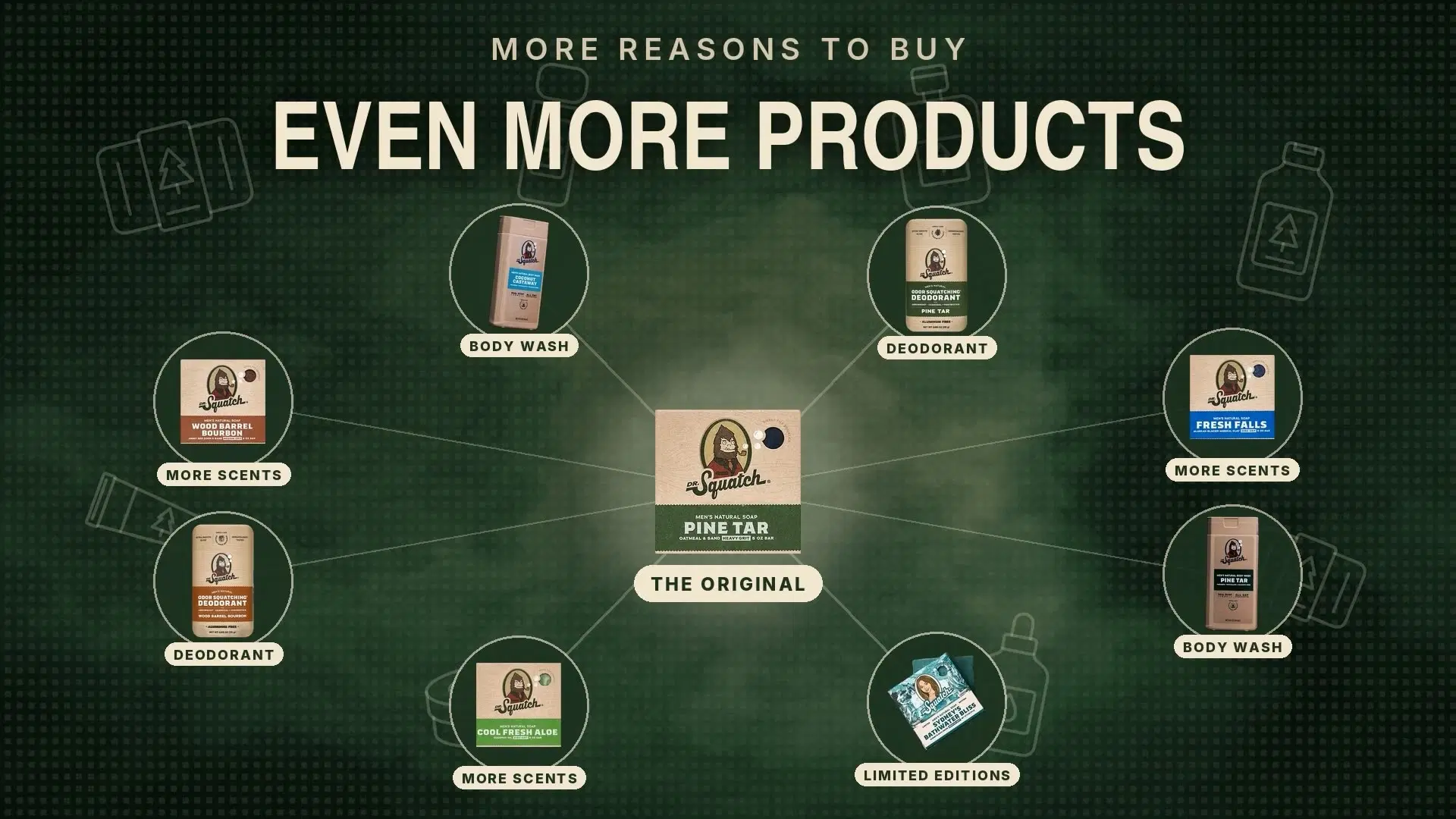
The customer already knows the brand. They have experienced the scents, the packaging, and the product for themselves.
That makes the next conversation easier to begin.
A soap and deodorant bundle has a clear role: two products the customer can use together, brought into one purchase.
For your business, look at what someone naturally needs alongside the product they came to buy. Which combination would be useful? Which item would help them get more from the first order?
That gives a bundle or upsell a reason to exist beyond increasing order value.
Dr. Squatch also expanded the places customers could buy, including a Walmart launch in 2021.
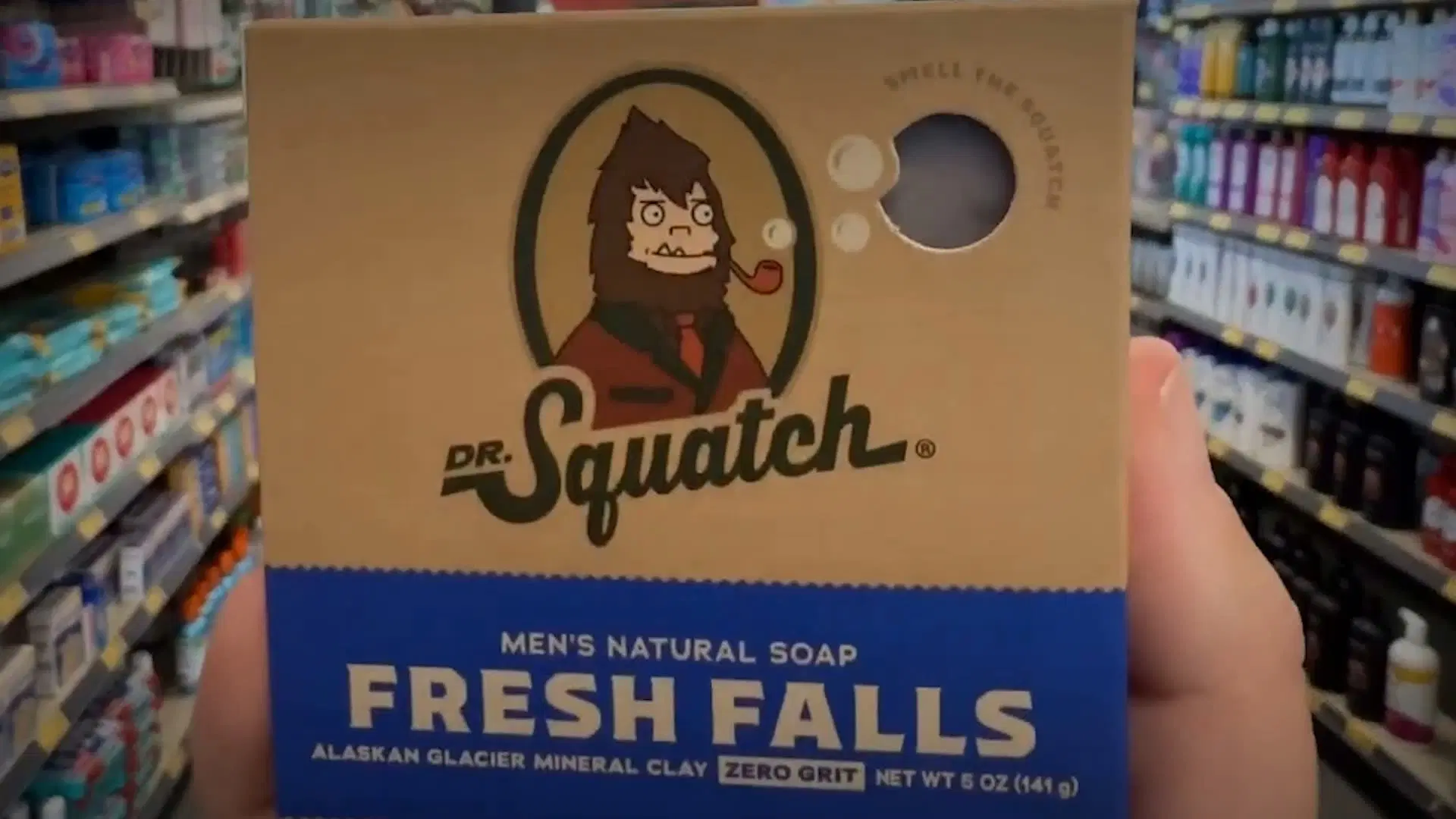
Retail created another way to act on the interest the brand was generating online. Someone who remembered an ad could recognise the product during a normal shopping trip and try it there.
The familiar brand was now available in another familiar part of the customer’s life.
What Made the Brand Valuable
By the time Unilever announced the acquisition, Dr. Squatch had built several things around the original product.
It had a recognisable voice. A customer base. A way to attract attention. A range of related products. And both direct-to-consumer and retail distribution.
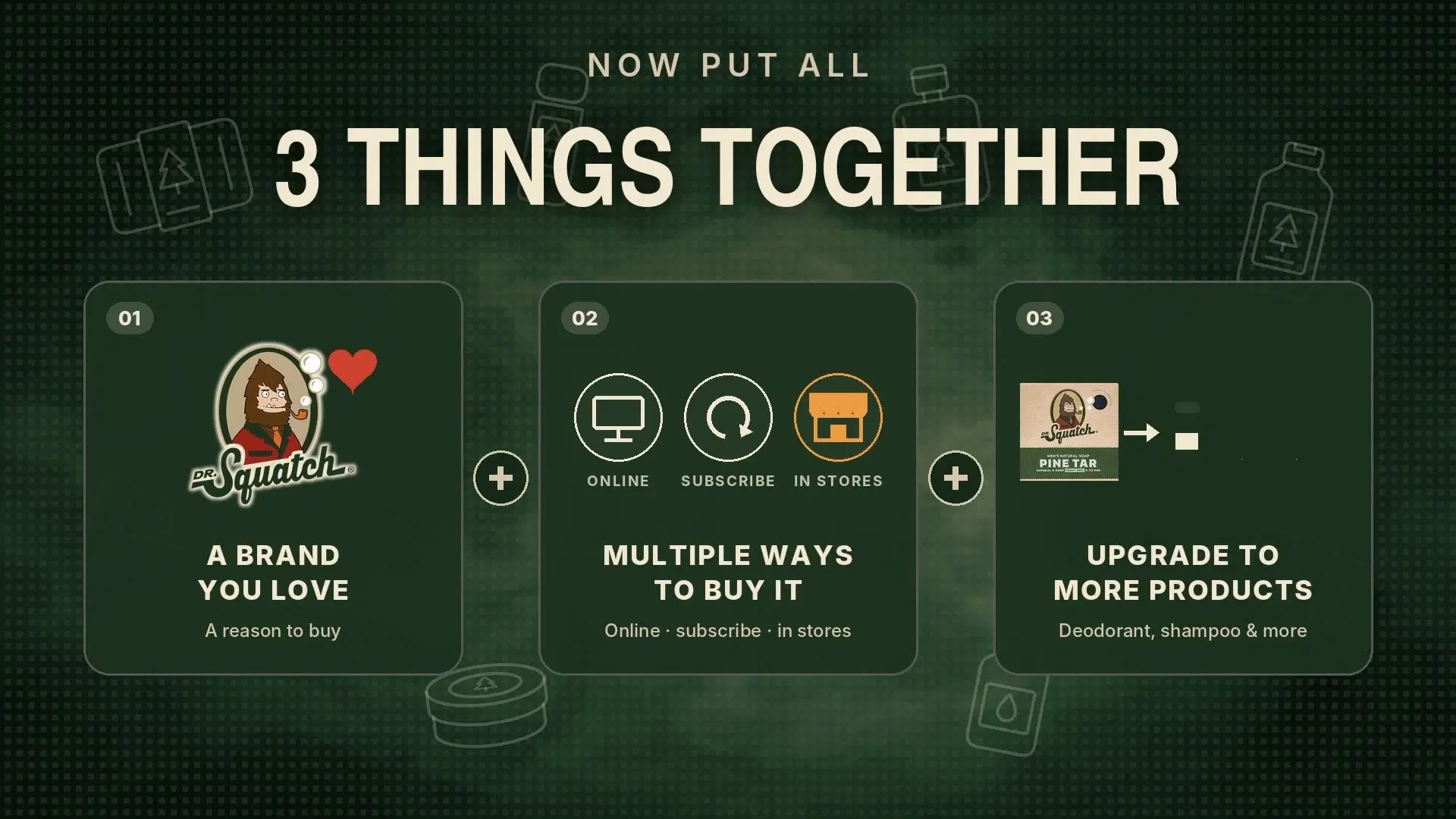
That helps explain why this story is useful to a business owner.
The product gave customers a reason to try it. The brand made that reason memorable. The buying experience gave them ways to keep choosing it.
Each part supported the others.
Build Your Version With AlphaWeb
Start with the same questions for your own brand.
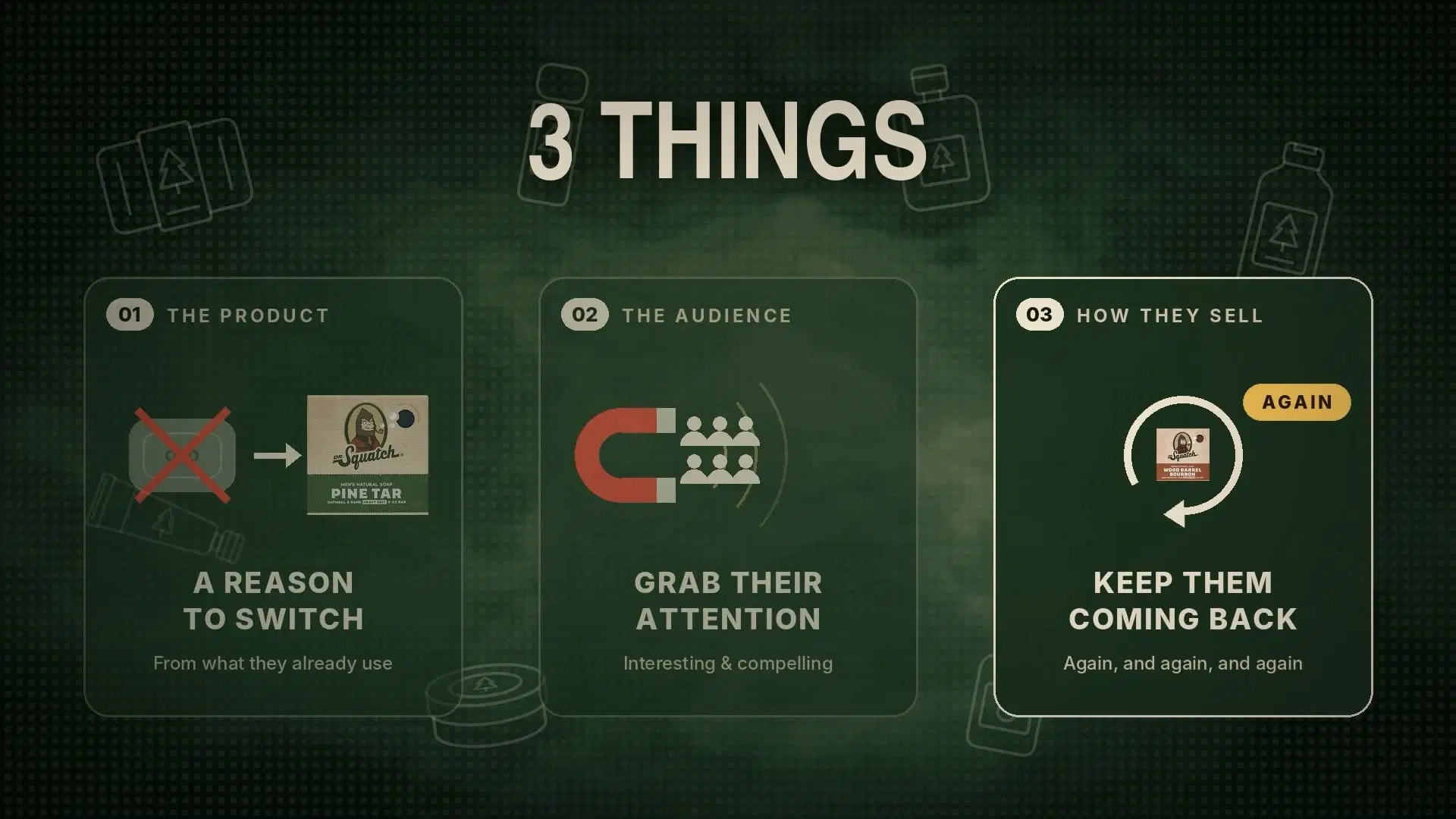
The product: What gives someone a reason to switch from what they already use?
The audience: What story makes that reason interesting to the people you want to reach?
The way you sell: What offer helps them get started, and what would make the next purchase useful?
Those answers should carry through the whole customer journey, from the ad and landing page to the bundle, checkout, and follow-up.
For a personal care brand, that might mean building a journey around someone who wants a simple shower routine. The ad introduces that everyday situation. The page explains the relevant product benefits. The offer brings together products they will use, with a replenishment option that fits their routine.
That is a direction to build and test.
AlphaWeb helps bring the research, creative, pages, and offers together. Start with your brand analysis, choose a customer and a reason to buy, then turn that idea into a connected journey.
Keep your current journey as the control. Measure conversion, order value, subscription uptake, margin, and repeat purchase as the results come in.
Dr. Squatch shows how much can grow from giving people a better reason to choose an everyday product.
You can start with the product and customers you already have.
Run your free Ecom GlowUp
Launch or scale your ecommerce business. AI does the deep research and builds your strategy, store, offers, checkout, funnels, ads and branding, plus a clear plan to grow your conversions and revenue.